


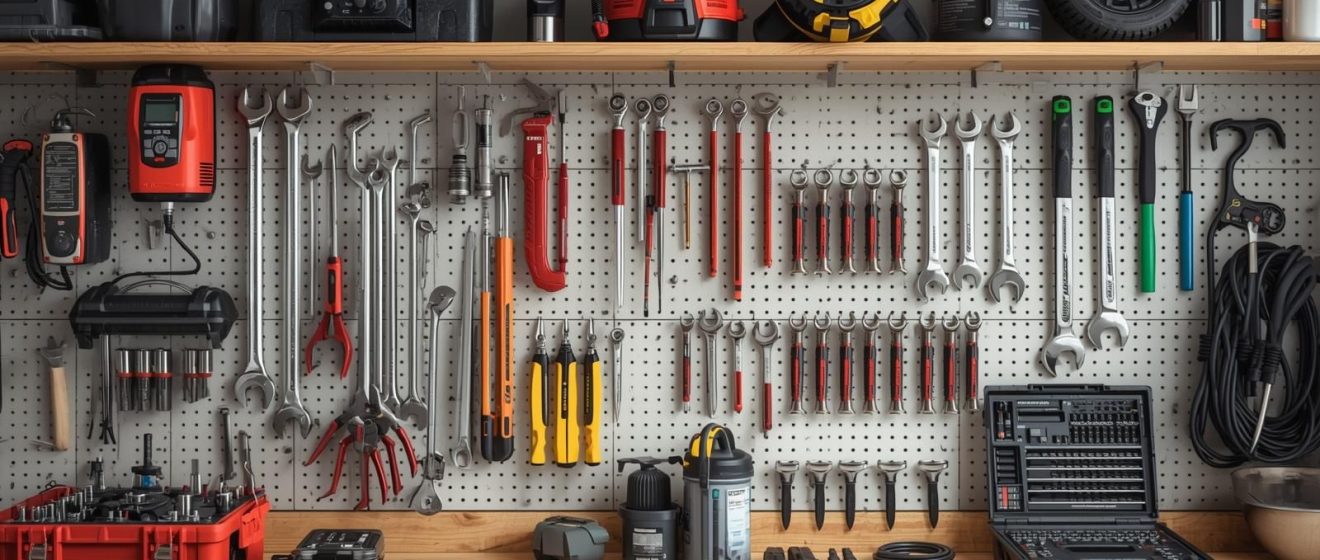
Building a proper tool collection transforms DIY car repair from frustrating to fulfilling. While professional shops have thousands of specialized tools, home mechanics can accomplish most common repairs with a carefully selected core set. This guide organizes essential tools by priority, helping you build your collection systematically without overspending on unnecessary items.
Starting with basics and expanding as needed ensures you have the right tool for each job while managing your budget effectively. Remember, quality tools often outperform cheap alternatives in durability, precision, and safety—invest wisely in frequently used items.
The Absolute Basics: Your Starter Kit
Every home garage needs these fundamental tools. A quality socket set forms your foundation. Look for ⅜-inch drive sets with both metric and SAE sizes, typically ranging from 8mm to 19mm and ¼-inch to ¾-inch. Include deep sockets for recessed bolts and universal joints for awkward angles. A ratchet handle with fine tooth count (72-tooth or higher) provides better access in tight spaces.
Combination wrenches complement your sockets. Get a set with open-end and box-end configurations in the same sizes as your sockets. The open end allows quick turning, while the box-end provides better grip for tight fasteners. Add an adjustable wrench for unexpected sizes, but use it sparingly—it can round bolt heads if not properly fitted.
Screwdrivers come next. Purchase a set with multiple Phillips (#1, #2, #3) and flat-head sizes. Consider adding Torx drivers for modern vehicles, as many manufacturers now use these star-shaped fasteners. Pliers are essential—start with slip-joint, needle-nose, and locking varieties. Each serves different purposes from gripping to bending to holding components securely.
Measuring and Diagnostic Tools
Accurate measurements prevent repair mistakes. A digital multimeter tops this category. Modern vehicles rely heavily on electrical systems, and a multimeter helps diagnose battery issues, charging problems, and electrical faults. Learn to measure voltage, resistance, and continuity—these three functions cover most electrical diagnostics.
Tire pressure gauges ensure proper inflation, affecting safety, handling, and fuel economy. Digital gauges offer precise readings, while dial types are durable. A tread depth gauge helps monitor tire wear and determine replacement timing. For fluid checks, keep a funnel set with various sizes and a fluid extractor for changing oils or removing fluids from reservoirs.
Torque wrenches deserve special mention. Click-type torque wrenches signal when proper tightness is reached, preventing under-tightening (which causes loosening) or over-tightening (which damages threads). You’ll need at least two: a smaller one (10-80 ft-lbs) for engine components and a larger one (50-250 ft-lbs) for suspension and wheel work.
Lifting and Support Equipment
Working under vehicles requires proper support for safety. Jack stands are non-negotiable—never work under a vehicle supported only by a jack. Purchase stands rated for at least double your vehicle’s weight. Position them on solid frame points, not plastic body panels or suspension components. A quality floor jack makes lifting easier; low-profile models work better with lowered vehicles.
Consider a creeper for comfort during under-vehicle work. Models with padded headrests and sturdy wheels make extended repairs more comfortable. Wheel chocks prevent vehicle movement when lifted, an often-overlooked safety item. For brake work, caliper piston tools help retract pistons during pad replacement, while brake bleeder kits simplify fluid changes.
Specialized Tools for Common Repairs
Some repairs require specific tools that pay for themselves quickly. An oil filter wrench comes in various styles—strap, cap, or claw—to match your vehicle’s filter location. Spark plug sockets have internal rubber inserts that hold plugs securely during removal and installation. Fuel line disconnect tools prevent damage to plastic connectors during fuel system work.
For electrical repairs, a wire stripper/crimper tool creates proper connections, while terminal removal tools help extract connectors from plastic housings without damage. A battery terminal cleaner maintains good electrical contact, often solving starting issues before they begin. Trim removal tools (plastic pry tools) prevent dashboard and interior damage during accessory installations.
Lighting and Visibility Solutions
Good lighting transforms repair quality. A LED work light with magnetic base provides bright, shadow-free illumination in engine bays and under vehicles. Consider a headlamp for hands-free lighting when both hands are occupied. Inspection mirrors on extendable handles help see behind components, while mechanics’ stethoscopes locate unusual noises by isolating sound sources.
Boroscopes or endoscopes have become affordable tools for viewing inside engines, cylinders, or hard-to-reach areas. Many connect to smartphones for easy viewing and recording. These tools help diagnose problems without disassembly, saving hours of exploratory work.
Organization and Storage Systems
Tools only help if you can find them. Start with a tool chest or cabinet that accommodates your growing collection. Drawer organizers keep small items sorted, while shadow boards show immediately if tools are missing. Magnetic trays hold bolts and small parts during disassembly, preventing loss and helping with organization during reassembly.
Label makers help identify storage locations for specialized tools. Consider color coding—paint tool handles or use colored tape to identify metric vs. SAE tools quickly. A portable tool bag organizes tools for specific jobs, allowing you to carry only what’s needed to the work area rather than your entire collection.
Advanced Additions for Growing Skills
As your skills progress, consider these valuable additions. A compression tester diagnoses engine health by measuring cylinder pressure. Leak-down testers identify where compression escapes—through valves, rings, or head gaskets. Vacuum gauges help diagnose engine performance issues by measuring intake manifold vacuum.
For suspension work, spring compressors safely handle strut replacements. Ball joint separators (pickle forks or clamp-style tools) disconnect suspension components without damage. Alignment tools help with basic suspension adjustments, though professional alignments remain recommended for final precision.
Digital Tools and Modern Resources
Modern mechanics benefit from digital resources. Repair manual subscriptions provide factory-level information for multiple vehicles. Torque calculator apps convert between measurement units and calculate torque values for different bolt grades. Vehicle-specific forums often have tool recommendations for particular models.
Consider bluetooth OBD2 scanners that connect to smartphone apps, providing real-time data and diagnostic trouble code explanations. These tools bridge the gap between basic code readers and professional scan tools, offering substantial capability at reasonable cost.
Safety Equipment: Non-Negotiable Items
Safety tools protect you during repairs. Safety glasses shield eyes from fluids, debris, and springs under tension. Mechanics’ gloves balance protection with dexterity—nitrile gloves resist chemicals while maintaining grip. Hearing protection matters during extended use of impact tools or in enclosed garage spaces.
Fire extinguishers rated for Class B (flammable liquids) and Class C (electrical fires) belong in every garage. First aid kits tailored for workshop injuries should include eye wash, burn cream, and heavy-duty bandages. Proper ventilation systems or portable fans protect against fumes during painting, welding, or working with chemicals.
Building Your Collection Strategically
Start with quality versions of frequently used tools. Upgrade when cheaper tools fail or limit your work. Watch for sales at automotive stores, particularly during holiday weekends. Consider used professional tools—they often offer better quality than new consumer-grade alternatives. Join local mechanic groups where members sometimes share specialized tools for uncommon repairs.
Document which tools you use regularly and which gather dust. This informs future purchases. Some tools can be rented from auto parts stores for one-time use, saving money on items needed for rare repairs. As your collection grows, you’ll find certain repairs become easier, faster, and more enjoyable.
Conclusion
The right tools make automotive repair accessible, safe, and satisfying. Begin with basics, prioritize quality for frequently used items, and expand as your skills and repair ambitions grow. Remember that tools represent an investment in your capability—they pay dividends through successful repairs, avoided repair bills, and the satisfaction of maintaining your vehicles independently.
Whether changing oil for the first time or tackling engine repairs, having proper equipment transforms challenging tasks into achievable projects. Build your collection thoughtfully, and you’ll build confidence along.
 Account
 Categories
 Car filter
 Search
 Top
Top